
Blog Eco-Friendly Event Solutions: Are Tyvek Wristbands Recyclable?
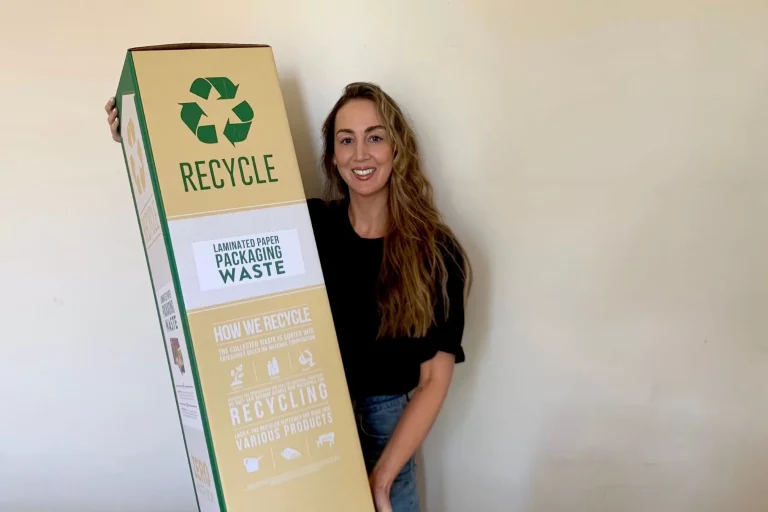
Tyvek wristbands raise sustainability questions because they are widely used at events, often discarded after use, and are misunderstood regarding material composition, recyclability, and real-world environmental impact.
As event sustainability becomes a major priority, organisers heavily scrutinise single-use products. Because guests discard them quickly, access passes create significant waste management challenges. However, people frequently misunderstand the actual composition of Tyvek.
When questioning whether Tyvek wristbands are recyclable, planners need to know how facilities process these materials in real life. In this guide, The Wristband Co. explains the facts behind the material, clears up common recycling myths, and shares practical steps for hosting eco-friendly events.
Tyvek wristbands derive their strength, durability, and recyclability from high-density polyethylene fibres engineered specifically for event use. Knowing exactly what Tyvek wristbands are made of is the first step in understanding their environmental footprint.
The core material consists of spun woven plastics, commonly referred to as HDPE. This specific composition matters greatly for recycling because it is classified as a category two plastic. Processing facilities can easily melt down these materials and reform them into new sustainable products without losing their structural integrity.
When comparing Tyvek with standard paper wristbands, many people assume they are the same because they look and feel similar. However, Tyvek differs by combining waterproof, tear-resistant properties with extreme flexibility. This means durable wristbands made from HDPE fibres easily survive multi-day festivals while remaining fully compatible with standard plastic recycling streams.
Choosing these sustainable materials helps organisers confidently support their environmental goals without sacrificing entry security or guest comfort.
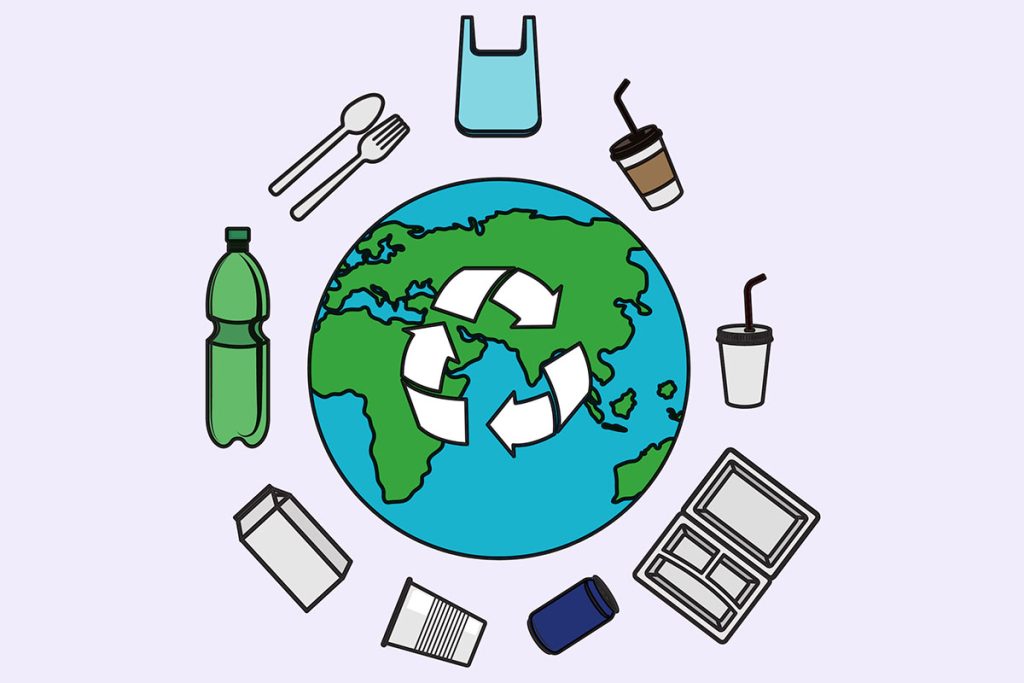
Practical event waste streams expose the gap between theoretical claims and actual recyclability. To determine if Tyvek wristbands are genuinely recyclable after being worn, planners must look beyond laboratory testing. In a practical setting, real-world recyclability depends entirely on how materials are collected and managed on the day.
The biggest hurdle in this process is material contamination. When guests toss their bands into general bins alongside food scraps and liquids, the soiled plastics become completely unusable. This level of contamination forces recycling facilities to reject entire batches of otherwise recyclable event materials to protect their processing machinery.
Furthermore, planners must consider whether their local centres accept these specific items. While the core plastic is highly recyclable, standard local facilities often lack the specific waste sorting technology required to process light, flexible fibres. Because of this, standard curbside bins are rarely the right place for general event wristband recycling.
This highlights exactly why dedicated waste management systems are absolutely essential for sustainable events. Event organisers serve as the critical link between the attendees and the final processing plant. By setting up proper event recycling bins and clear signage, planners ensure the process begins correctly and that these items actually reach the specific facilities capable of handling them.
Understanding exactly how Tyvek wristbands are recycled reveals the precise journey these accessories take from the venue bin to the plastic reprocessing plant. The primary factor that determines whether these items are recovered or discarded is the quality of the collection at the event itself.
Clean, properly sorted items successfully enter dedicated recycling streams. However, if guests mix their passes with food waste, the resulting contamination immediately dooms the entire batch to a landfill outcome. Facilities cannot process soiled plastics, making proper venue handling essential.
Once the clean items arrive at material recovery facilities, the formal HDPE recycling process begins. Workers first inspect the incoming delivery to remove any stray rubbish using advanced waste sorting systems. After the initial sorting phase, heavy machinery shreds the flexible woven plastics into tiny, uniform flakes.
The operations team then thoroughly washes these flakes to remove any lingering dirt, sweat, or printed ink. After cleaning, the facility uses intense heat to melt the shredded plastic down into raw, usable pellets.
While event planners cannot directly reuse old Tyvek wristbands for future guests due to security reasons, the underlying material is highly valuable for repurposing. Manufacturers purchase these recycled pellets to create durable goods like outdoor garden furniture, composite plastic lumber, and sturdy playground equipment.
By keeping the material clean and using the correct collection bins, organisers guarantee their waste reduction efforts result in genuine resource recovery rather than just creating more rubbish.
Sustainability claims often distort how we view Tyvek wristbands by oversimplifying their environmental impact and ignoring the systems required for true material recovery. When planners ask if Tyvek wristbands are eco-friendly, they frequently encounter conflicting information online.
These misconceptions arise because many people confuse theoretical recyclability with guaranteed sustainable outcomes. One of the most common sustainability myths is the belief that recyclable materials will naturally break down in the environment over time.
People often confuse the terms recyclable and biodegradable. While Tyvek is highly recyclable through specific channels, it is a synthetic plastic that will not decompose in a compost bin or natural outdoor setting. Understanding these facts helps planners avoid unintentional greenwashing when promoting their gathering.
Another widespread misunderstanding is the assumption that single-use products are inherently bad for the planet. While reducing event waste is always the primary goal, a complete lifecycle assessment shows that lightweight Tyvek requires significantly less energy to manufacture and transport than heavier alternatives.
This means sustainability depends entirely on what happens after the festival gates close. These passes do not always have to end up in the local rubbish dump. The reality is that event sustainability misconceptions occur when we focus only on the physical product rather than the disposal method. By understanding true recycling facts, planners can build practical recovery systems that actually work.
Comparing Tyvek to other eco-friendly wristbands helps organisers understand the environmental trade-offs between different sustainable event materials. When conducting a material comparison, planners must evaluate how each product performs across its entire lifecycle.
When looking at paper alternatives, many assume standard paper wristbands are always the superior environmental choice. While paper breaks down quickly, it lacks the durability needed for multi-day festivals. Tyvek is often more sustainable in wet conditions because the synthetic fibres resist water and tearing. This durability means guests do not need multiple replacements throughout the weekend, which reduces overall event waste.
Fabric wristbands offer extended durability that encourages guests to keep them as souvenirs, which reduces immediate landfill waste. However, manufacturing traditional textiles requires significant water and energy. Choosing recycled PET fabric balances this impact, but these premium materials cost significantly more than lightweight Tyvek options.
Planners evaluating silicone must look at their intended lifespan. Silicone wristbands provide unmatched longevity and are highly popular for charity awareness campaigns. While they are excellent for long-term wear, silicone is very difficult to recycle through standard municipal systems. This makes them less ideal for single-day access control, where guests will likely discard them immediately.
Biodegradable wristbands, often made from bamboo or seeded paper, naturally break down in compost environments without leaving microplastics behind. They are fantastic options for zero-waste gatherings. However, they are generally not waterproof and cannot always survive the harsh physical demands of active outdoor festivals.
Determining which material is best depends entirely on your specific security needs, budget, and access to proper recycling infrastructure. The best wristbands for green events match the material to the exact physical demands of the day.
Event organisers can successfully recycle Tyvek wristbands by partnering with specialised external recycling facilities that handle complex synthetic materials. Most local waste management systems are simply not equipped to process these lightweight items independently.
Because standard sorting machines cannot handle the flexible woven fibres, standard venue recycling bins are rarely the right place for disposal. To achieve genuine waste reduction, planners must look outside the immediate event site.
This is exactly why recycling is typically handled by dedicated partners like TerraCycle. These external companies have the specific machinery needed to process the flexible plastics and prevent sustainable event waste from ending up in local landfills.
Implementing these practices requires careful planning and clear education for your attendees. Proper waste stream separation is the absolute key to success.
For a complete look at how to set up this system, planners can read our detailed guide on How To Recycle Your Fabric Wristbands With Our Easy Take Back Program. This dedicated resource explains exactly how to collect, store, and return your items for proper processing. By making sustainable event planning a priority, you ensure your gathering leaves a positive impact on the environment.

Sustainable wristbands strengthen brand credibility by providing attendees with physical proof of your commitment to corporate responsibility. Modern audiences care deeply about the environment and actively look for brand trust signals at eco-conscious events.
When guests arrive, their access pass is the very first physical interaction they have with your organisation. This makes responsible event materials a highly effective tool for ethical branding. Because guests wear these items all day, your specific material choice directly impacts how they view your entire operation.
Using eco-friendly materials shows that you consider every detail of the guest experience. Conversely, ignoring sustainable branding can quickly undermine your other sustainability claims and alienate environmentally aware attendees.
Prioritising recycling proves that your environmental efforts extend beyond simple marketing. When you pair recyclable Tyvek wristbands with dedicated collection bins, attendees feel proud to participate. This shared environmental action strengthens the connection between brand trust and sustainability while significantly improving long-term brand loyalty.
Furthermore, backing up your choices with verified credentials like an Australian Made certification reinforces your overall brand credibility. This official recognition guarantees strict local manufacturing standards and reduces the carbon footprint associated with international shipping. By integrating these elements into your event branding, you create a transparent and trustworthy experience that guests will respect long after the festival ends.
Symbolic features provide discreet communication of needs while respecting attendee privacy. Symbolic wristbands incorporate icons representing accessibility requirements, such as wheelchair symbols indicating mobility needs, while sunflower designs signal hidden disabilities.
These identity markers enable inclusive recognition without requiring detailed explanations, fostering dignity and community connection through shared symbolic design.
When planners ask whether Tyvek wristbands are recyclable, the answer requires moving past simple assumptions and looking at the factual realities of material recovery. This article clarifies existing recycling discussions by providing a transparent, evidence-based look at how these accessories perform in the real world.
Factual clarity is incredibly important when assessing sustainability claims because it prevents well-meaning organisers from making ineffective choices. By understanding actual recycling processes rather than relying on marketing myths, planners can confidently verify that Tyvek is a genuinely sustainable option.
When handled correctly, recyclable event materials bypass the landfill and directly support a broader circular economy. Dedicated suppliers like The Wristband Co. play a crucial role in this journey by providing high-quality, eco-friendly event wristbands alongside honest, transparent environmental guidance.
Organisers can use this foundational knowledge alongside our dedicated recycling guides to take deeper action at their upcoming gatherings. Making sustainable wristband choices allows you to champion true environmental responsibility while keeping your venue secure.
To discuss practical sustainable event solutions for your next festival, contact The Wristband Co. today at 08 8363 4850 or [email protected]. By prioritising responsible event planning, we can build a greener future together.