
Blog How to Recycle Your Fabric Wristbands: Our Easy Take-Back Program
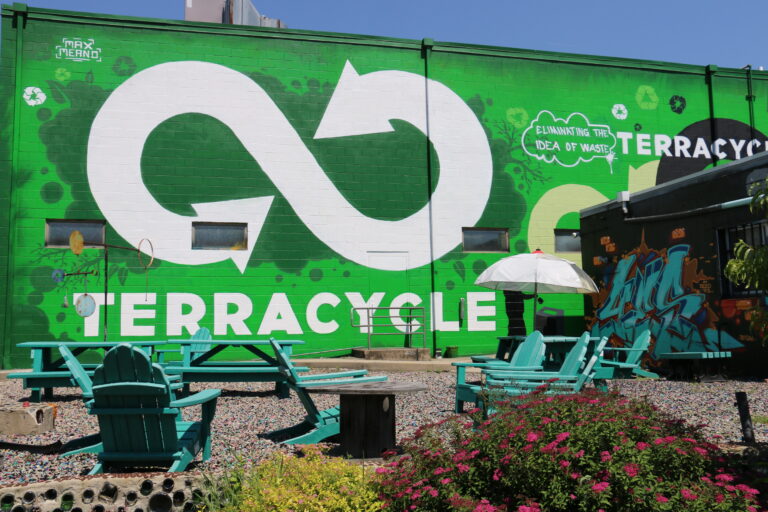
Our fabric wristband recycling program helps reduce textile waste by providing a simple way for used items to be collected and repurposed. This ensures materials are kept out of local landfills.
Fabric wristbands are popular at events but frequently end up in general rubbish bins. This growing event waste creates a lasting environmental impact because synthetic materials take decades to break down. To solve these disposal challenges, The Wristband Co. offers an accessible take back initiative.
By choosing sustainability and recycling, organisers can manage post event cleanup efficiently while supporting a circular economy. Read on to discover how our step by step return process makes participation easy.
As event waste management becomes a global priority, organisers must address the environmental consequences of throwing away thousands of accessories after every festival. Standard disposal methods create unnecessary waste because most bands are made from synthetic fibres that do not biodegrade.
To understand the scale of this issue, consider a local music festival hosting twenty thousand people. That equals twenty thousand synthetic bands distributed over a single weekend. When these items are simply thrown away, they end up in municipal bins and overwhelm local processing facilities.
The impact of this textile waste is often overlooked, but it results in the permanent loss of highly recoverable materials. Discarded items take up physical space and risk leaching dyes into the soil over time. A structured approach mitigates these risks by diverting materials away from the dump.
This supports landfill reduction and aligns your gathering with a broader sustainability context. Our take back initiative is designed to solve these exact challenges. By understanding the importance of fabric wristband recycling, planners can calculate their exact waste footprint, confidently adopt our simple return process, and significantly improve their environmental impact.
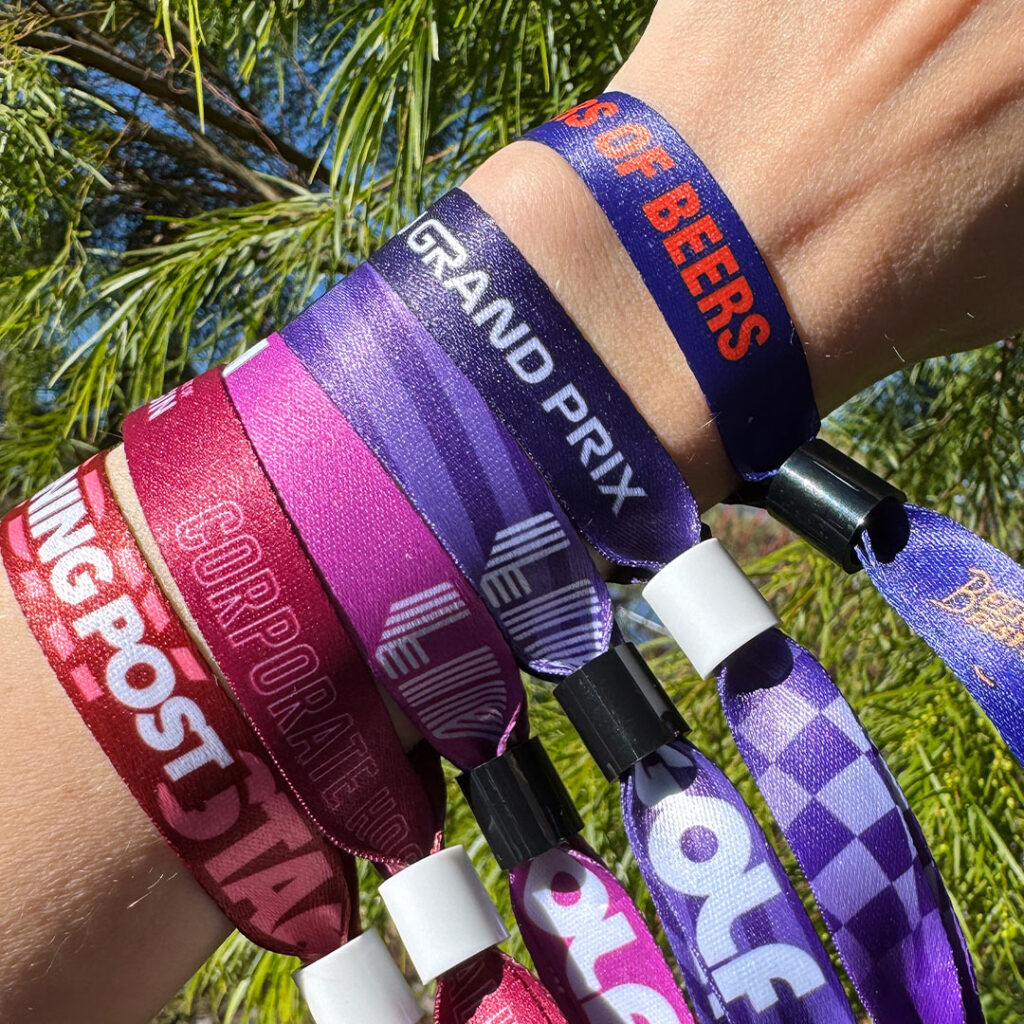
Our program provides a clear structure for recovering materials from gatherings of any size. By establishing a reliable event recycling workflow, planners can confidently manage waste. Event organisers and attendees handle the initial stages by working together on communication, collection, and returns.
Once items are shipped back, The Wristband Co. takes over. We consolidate the returned items and manage the final submission to TerraCycle using a dedicated Zero Waste Box. This clear division of tasks improves recycling outcomes and supports sustainable event practices.
By following the steps outlined below, planners can easily increase participation and see exactly how this recycling workflow operates in practice.
Introducing your recycling plans early sets clear expectations. When attendees know about the program before they arrive, they are much more likely to return their items. The best time to start this messaging is during the ticket purchasing phase.
Organisers can easily include sustainable event communication in confirmation emails. You can also create dedicated social media posts showing attendees exactly what the collection bins will look like on the day. Adding a short reminder in the festival mobile app serves as another helpful touchpoint.
This repetition builds familiarity so guests know exactly what to do when the music stops. Making this a core part of your event sustainability planning improves overall participation. Simple signage and consistent wording help guests understand what is expected.
Placing clear signs near distribution points reminds attendees that responsible event practices are a key part of the festival culture.
Collecting items right before guests leave works best because they no longer need their access passes. Setting up a dedicated collection point gives attendees an immediate place to drop off their bands.
To maximise participation, planners must focus on their setup. A return point is easy to use when it is placed at a comfortable height and clearly labelled. These stations should be located next to all main exits to capture the most foot traffic. For example, placing bins directly before the main transport shuttles or car park gates works perfectly.
This approach supports waste reduction without disrupting the guest experience. Event staff can hold signs and actively thank attendees as they drop their items in the bin. This positive interaction encourages others in the crowd to do the same.
Friendly staff support makes the process simple and efficient, ensuring you collect as many bands as possible.
After the venue clears, the next phase begins. Organisers should gather all collected items into a single secure box. Keeping all returns together prevents misplaced materials during the final cleanup.
If an event has multiple entry gates, site managers should assign one person to collect the bags from each location and bring them to a central office. This prevents small bags from getting lost among other event equipment during the busy pack down period.
We recommend sending the materials back within two weeks of your event concluding. The return process is highly flexible, giving you multiple options depending on your location. Planners can post the materials directly to our facility or drop them off in person.
The Wristband Co. provides clear instructions to ensure this step fits easily with your other wrap up tasks. If you need support, our customer service team is always available to assist.
When the bands arrive back at our facility, we consolidate them into a Fabrics and Clothing Zero Waste Box. This method safely stores the materials until we reach capacity.
Once the container is full, we initiate the final handoff to TerraCycle. Their facilities handle the comprehensive mechanical breakdown of the collected items. Workers sort and clean the bands, separating woven fabrics from plastic toggles.
Heavy machinery then shreds the clean textiles into raw fibres. These recovered fibres become the inputs for brand new industrial products. By keeping synthetic materials in use, this final stage achieves genuine landfill diversion for your event.
The transparency of this process ensures that planners always know exactly where their collected items end up.
Knowing what happens after collection helps planners understand the full value of the program. When shipments arrive at the processing facility, the team weighs and records the incoming materials to track exactly how much waste is being diverted.
Next, workers manually inspect the bands during the sorting and cleaning stages to ensure no non-compliant items slip through. They separate the fabric from any attachments and wash the textiles to remove dirt.
The clean materials then move into the mechanical breakdown phase, where machinery chops and shreds the bands into tiny pieces. These shredded fibres act as valuable inputs for manufacturing.
They are often repurposed into acoustic dampening panels, car boot liners, and industrial padding. The acoustic panels created from these fibres are frequently used in commercial office builds and recording studios. Knowing these exact end products helps planners explain the true value of the program to their stakeholders.
This process actively supports resource recovery and keeps synthetic plastics out of the ground. By participating, events directly contribute to a system where materials are reused instead of thrown away.
Symbolic features provide discreet communication of needs while respecting attendee privacy. Symbolic wristbands incorporate icons representing accessibility requirements, such as wheelchair symbols indicating mobility needs, while sunflower designs signal hidden disabilities.
These identity markers enable inclusive recognition without requiring detailed explanations, fostering dignity and community connection through shared symbolic design.

The benefits extend far beyond the venue gates. When you collect and return these items, you actively contribute to waste reduction by capturing synthetic materials before they reach local dumps.
Achieving meaningful landfill diversion protects our ecosystems and ensures valuable materials are kept in use. Through effective resource recovery, these old passes are transformed into brand new industrial inputs, reducing the manufacturing demand for raw plastics.
Beyond the environmental advantages, this program delivers a powerful community impact. Implementing clear waste reduction strategies shows your attendees that your brand takes ecological responsibility seriously. Modern festival goers actively look for events that share their environmental values.
When guests see dedicated bins and staff actively managing the collection, it highlights the sustainability leadership of your organisation. Empowering festival goers to take direct action means they are much more likely to adopt positive habits at future gatherings.
By promoting your recycling data after the event concludes, you build trust and loyalty with your audience for next year.
Recovering used event passes is a highly achievable goal. This program provides organisers with a structured workflow they can easily repeat at future gatherings. Every phase plays a vital role in keeping materials out of the bin.
Clear communication and visible collection points help increase participation among your attendees. Giving guests the tools they need to make green choices improves the overall atmosphere of your gathering. Once the event ends, straightforward returns ensure all collected items safely reach TerraCycle.
This comprehensive program guarantees that old passes are processed into reusable insulation and industrial padding. Adopting these responsible practices significantly improves your overall event sustainability. Planners can confidently share this success with sponsors, artists, and the local community.
We encourage all planners to integrate this initiative into their upcoming festivals and conferences. To start making a difference at your next event, contact The Wristband Co. today at 08 8363 4850 or [email protected].