Blog How Lanyards and Wristbands are Supporting Accessibility at Major Events
Lanyards and wristbands are more than entry tools; they are enablers of accessibility and inclusion at major events.
These devices have evolved from basic identification markers into sophisticated accessibility tools that support diverse attendee needs at festivals, conferences, and cultural gatherings.
Through inclusive design, strategic crowd management, and the integration of education and cultural awareness, they ensure equitable participation for all attendees.
Lanyards and wristbands improve accessibility at major events by providing identification, safety, and inclusive features that enable equal participation for attendees with physical, sensory, or cognitive needs.
Historically, lanyards functioned as neck cords for carrying identification, while wristbands emerged as admission tokens. Their role expanded as accessibility awareness grew, incorporating colour-coded systems, adaptive materials, and universal design principles.
Modern event accessibility tools address multiple needs: festivals identify attendees who require accessible viewing areas, conferences use colour coding for dietary restrictions, and sporting events integrate technology for seamless navigation.
Accessible event wristbands feature hypoallergenic fabrics and adjustable closures, while inclusive lanyards incorporate breakaway features and clear visual communication. These innovations demonstrate how wristbands for accessibility and lanyards for inclusion at events transform basic tools into instruments that support safety protocols and meaningful participation.
Lanyards and wristbands functioned as identification tools that evolved into multi-purpose accessibility solutions, ensuring safety, inclusion, and equal participation at events.
Lanyards and wristbands originally functioned as simple identifiers that evolved into critical tools for access, safety, and inclusivity, shaping their enduring role in event accessibility today.
Lanyards, originally used for military purposes, became civilian event identifiers in the 1960s. Wristbands, first used in healthcare, were later adopted by entertainment venues for admission control. Both laid the groundwork for inclusive innovation.
Material choices influenced accessibility by determining comfort, durability, and suitability for extended wear. Initial materials such as cotton and paper proved inadequate for multi-day events, prompting the adoption of durable design options.
Tyvek wristbands provided water resistance, while fabric options offered comfort. These access solutions improved accessibility with softer materials, reduced skin irritation, and lighter weights, and decreased physical burden.
Colour coding provides instant visual communication, transcending language barriers and supporting quick recognition of access levels and needs. This system emerged from safety foundations in industrial settings.
Events adopted similar protocols using distinct colours for:
Lanyards and wristbands use colour coding to communicate access levels by assigning specific colours to different permissions or needs, enabling instant visual identification without verbal exchange.
This lanyard colour-coding creates clear event signals that allow staff and attendees to understand access parameters immediately.
Symbolic features provide discreet communication of needs while respecting attendee privacy. Symbolic wristbands incorporate icons representing accessibility requirements, such as wheelchair symbols indicating mobility needs, while sunflower designs signal hidden disabilities.
These identity markers enable inclusive recognition without requiring detailed explanations, fostering dignity and community connection through shared symbolic design.
Quick recognition improves safety by enabling immediate responses during emergencies. Visual communication allows first responders to identify medical conditions instantly, while staff recognise access needs at a glance.
This efficiency in event wristband communication creates smoother experiences while ensuring appropriate support.
Event branding integrates these systems through designs balancing symbolic meaning with aesthetics, demonstrating that wristbands and inclusion serve as both functional tools and visible statements of organisational values.
Materials determine skin compatibility, weight distribution, and durability. Fabric wristbands provide breathable comfort for multi-day events, while silicone wristbands offer waterproof durability.
Material comfort directly impacts participation. Rough textures can cause sensory distress, while heavy lanyards can cause neck strain.
Modern lanyard materials prioritise lightweight construction, with padded straps that distribute weight evenly.
Hypoallergenic fabrics prevent allergic reactions, ensuring attendees with sensitive skin participate comfortably.
These sustainable choices align with an inclusive products philosophy without compromising functionality.
Closures and adjustability enable independent use across diverse abilities. Design innovation introduced breakaway clasps to prevent strangulation hazards, while the accessible wristband design incorporates slide adjusters and hook-and-loop fasteners for one-handed operation. User-friendly features include sizing variations that ensure a proper fit across body types.
Contemporary designs combine textured surfaces for tactile feedback with high-contrast printing for vision accessibility, demonstrating how hypoallergenic wristbands and engineered closures create sophisticated accessibility solutions.
RFID improves accessibility by enabling contactless entry, eliminating physical barriers at entry points. RFID wristbands allow attendees with mobility limitations or dexterity challenges to enter venues without fumbling with credentials.
The technology provides secure entry while reducing congestion, creating smoother traffic flow that ensures digital inclusion through seamless participation.
NFC enables instant data exchange, supporting personalised accessibility features. NFC lanyards store individual accommodation preferences, dietary restrictions, or seating requirements that venue systems recognise automatically.
This wearable technology eliminates the need for repeated explanations, preserving dignity while ensuring support. Smart lanyards (with smart technology card IDs) and wristbands facilitate cashless transactions, reducing barriers for attendees who find physical currency management challenging.
QR codes provide instant access to detailed medical information during emergencies. QR code wristbands link to digital profiles containing allergies, medications, emergency contacts, and care instructions.
First responders scan codes for immediate health data access, improving response accuracy. This medical integration through smart wristbands supports comprehensive safety while maintaining privacy, so information remains encrypted until accessed by authorised personnel.
Future technology in event accessibility will expand capabilities through enhanced event tracking and real-time coordination, creating responsive environments accommodating diverse attendee needs.
Medical wristbands provide essential information by displaying critical health data, such as allergies, chronic conditions, or medication dependencies, directly on the band or through linked digital systems.
Allergy alerts printed in plain view enable immediate recognition of life-threatening sensitivities, while embedded codes access comprehensive medical profiles.
This emergency information integration transforms wristbands into portable health records, ensuring first responder support teams have the necessary context for treatment decisions.
QR health codes connect physical wristbands to digital healthcare systems, providing access to detailed medical histories, current medications, treatment protocols, physician contacts, and insurance information.
This health data access proves invaluable during emergencies when attendees cannot communicate verbally, providing responders with a complete medical context instantaneously.
Colour coding provides immediate visual medical alerts, distinguishing various health conditions or risk levels at a glance. Red wristbands might indicate severe allergies, orange signals diabetes management needs, while yellow designates fall risks.
These emergency information lanyards enable staff to prioritise responses appropriately and adjust interactions based on visible indicators. The system supports inclusive safety by communicating needs without requiring disclosure, maintaining privacy while ensuring preparedness.
Medical wristbands at events create an emergency-ready system for all attendees, especially those with chronic conditions, by thoughtfully integrating visual and digital systems for specialised attention.
Schools and nonprofits use awareness wristbands as tangible tools in educational campaigns that promote diversity, inclusion, and understanding of accessibility needs.
Educational tools transform abstract concepts into tangible commitments, like anti-bullying or autism awareness wristbands spark meaningful conversations and reinforce education. These campaigns create community learning opportunities where wristbands serve as conversation starters, helping normalise discussions about differences and accommodation needs.
Cultural awareness is important because accessibility needs vary across cultures, and respectful representation ensures genuine inclusion. Multilingual design on wristbands accommodates diverse linguistic backgrounds, while culturally sensitive symbols prevent misunderstandings.
Considering colour meanings or religious considerations enhances inclusive education. Multilingual event wristbands are especially helpful at international events, bridging language barriers for essential information.
Education creates long-term inclusivity by building awareness that transforms accessibility from a compliance requirement into a cultural value.
Community outreach programs that use wristbands as educational props demonstrate how small design choices affect participation. Diversity in design teaches that accessibility benefits everyone, not just those with visible disabilities.
These awareness and inclusivity wristbands and cultural sensitivity lanyards reinforce that inclusive cultural event tools represent ongoing commitments to equity rather than one-time accommodations.
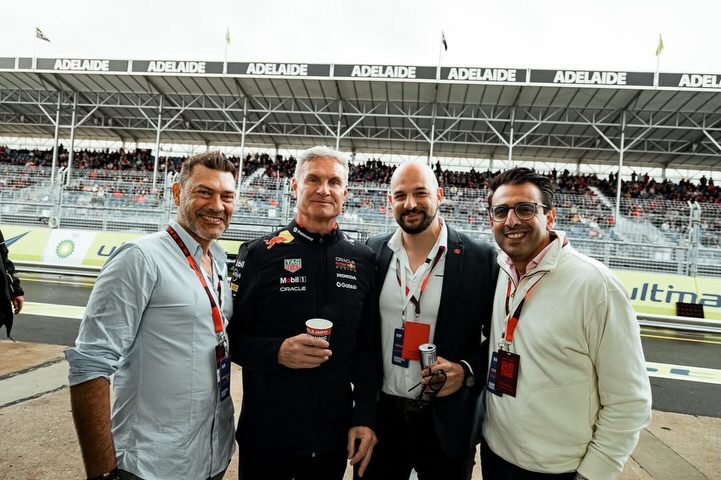
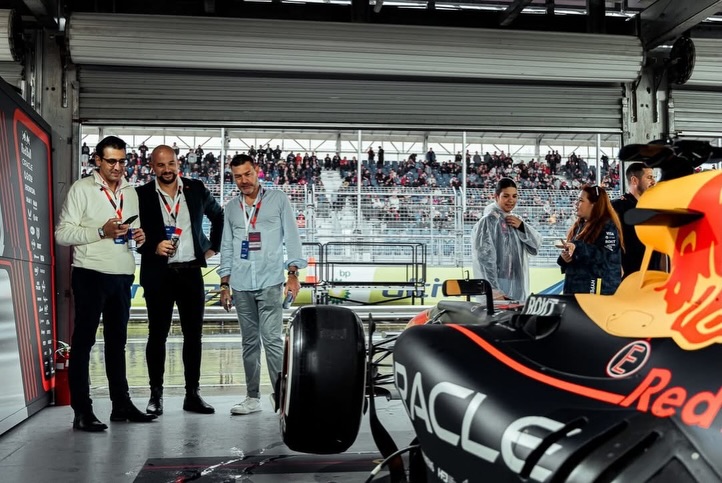
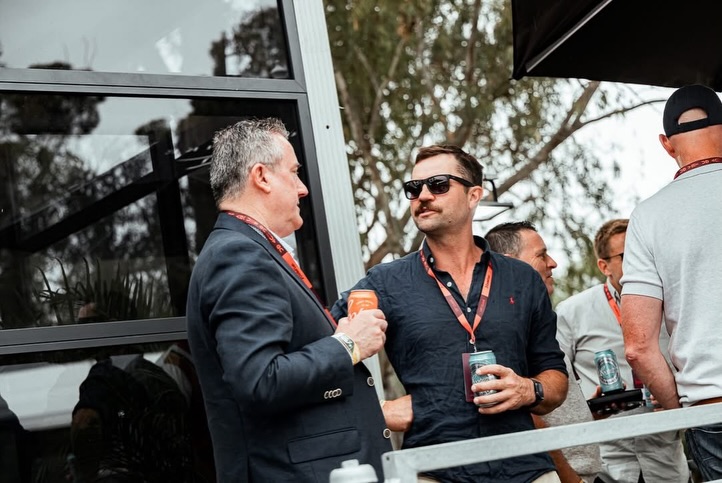
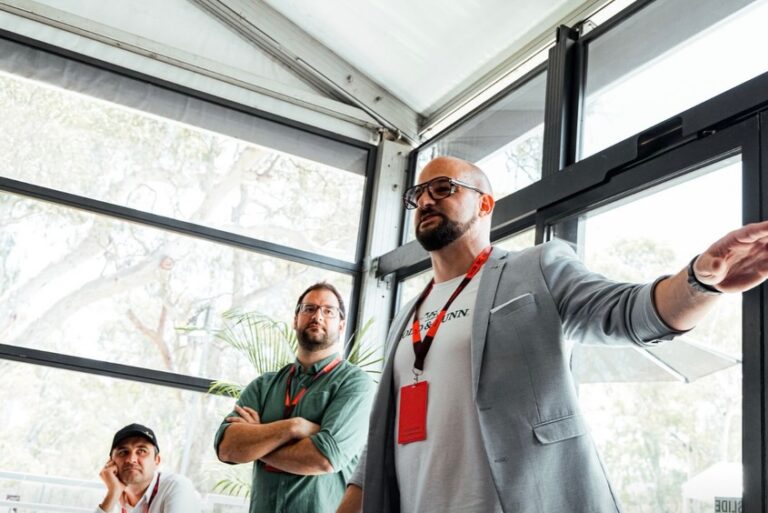
We were proud to supply custom lanyards and ID Cards for CodeFish Studio’s Corporate Suite at the Adelaide Grand Final. The Adelaide Grand Final is the season-ending round of Australia’s Supercars Championship, held on the Adelaide Street Circuit with premium racing, hospitality and entertainment. A fantastic event that brought together respected South Australian food and beverage brands. Grateful to support CodeFish Studio and this standout South Australian occasion.
Lanyards and wristbands have evolved beyond simple identification to become comprehensive accessibility tools, reflecting a deeper understanding of inclusion through integrated design, technology, materials, and cultural awareness.
These tools balance identification, inclusion, and communication through colour coding, symbolic design, and embedded technology. Medical wristbands, RFID systems, and hypoallergenic fabrics demonstrate how innovation serves diverse needs, while cultural sensitivity and educational campaigns ensure solutions evolve with societal understanding.
Organisations seeking to implement these solutions can consult The Wristband Co. for custom lanyards and wristbands that support accessibility, inclusion, and cultural awareness at events.
You can also reach out to us via email at [email protected] or call us on 08 8363 4850 to speak to our customer service team.